Ultrasonic AI
Aerospace
Ultrasonic Inspection

We successfully implemented an automated QA solution using ultrasonic sensors, resulting in:
- Significant reduction in manual inspection errors through AI-based ultrasonic inspection
- Enhanced detection of internal segregations, reducing throw-away rate
- Improved operational efficiency by automating and optimizing the inspection process
Approach
- MTU needed to ensure quality of critical engine components made from high-performance alloys
- Manual inspection only assessed surface-level defects; internal defects went undetected, leading to high discard rates and increased costs
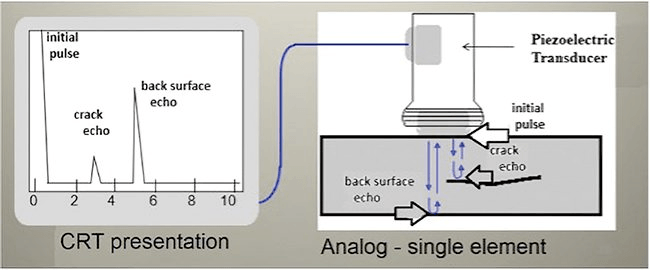
- To solve this, an AI-driven ultrasonic inspection system was developed
- This system improved detection of internal segregations and increased efficiency in the QA process
Technologies
- TensorFlow
- Deep Learning
- Sound Classification
Extending QA with 3D Defect Annotation
Further improving defect detection, we created a prototype that used VisionLib to track parts and enabled precise point-marking on these components. The parts are matched with a 3D virtual model in real time, which allows workers to make annotations on specific parts and defects.
- Augmented Reality Application to mark defects
- Object tracking also works for rotational symmetric parts
- High accuracy performance in early stage

Annotating place of part defect, example 1
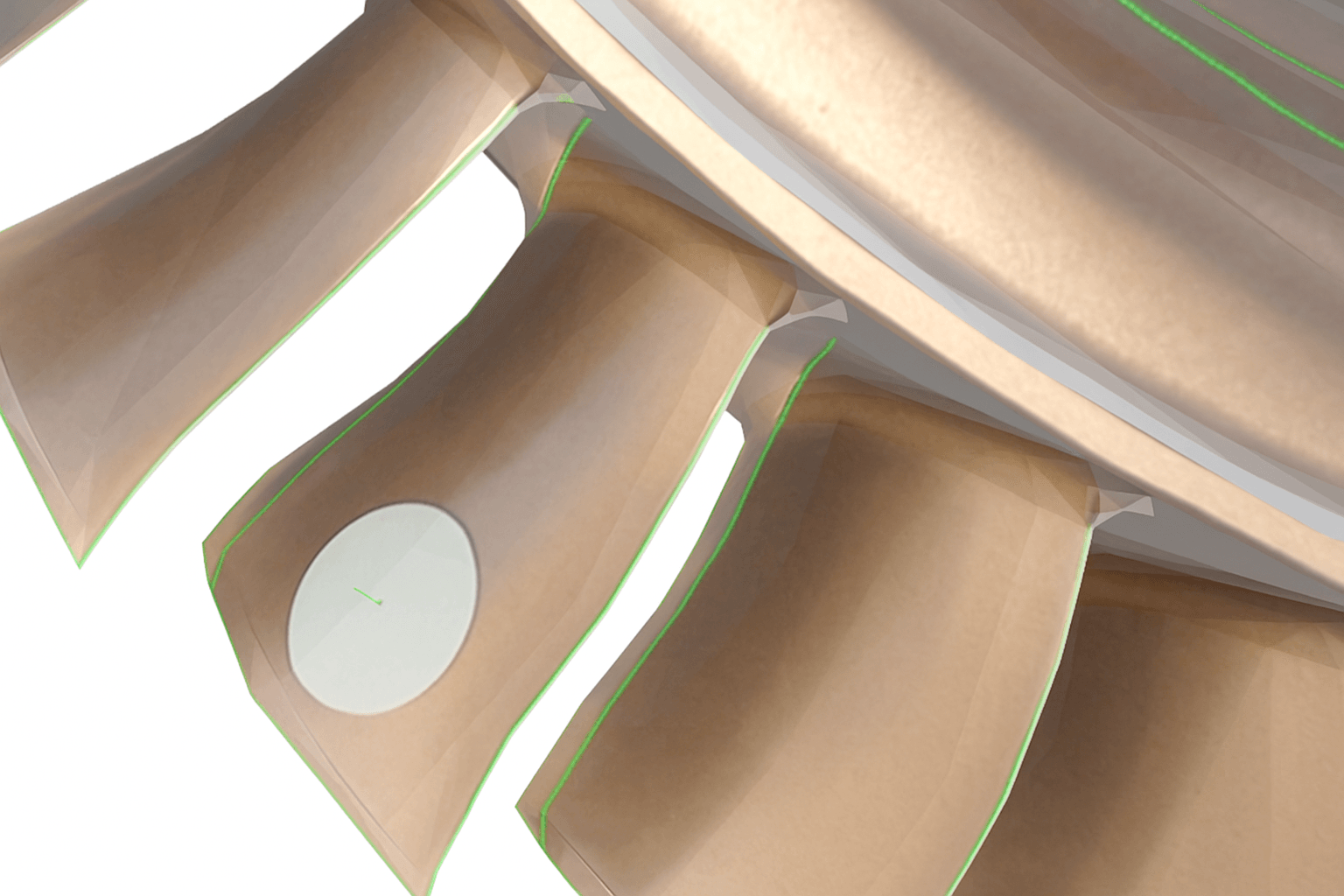
Annotating place of part defect, example 2
Result
Using an AR solution to align CAD models with real-world turbine components, we eliminated manual measurement and documentation by enabling users to mark defects directly in the CAD model.
- Faster processing
- More comprehensive information gathering
- In-depth defect data analysis